
If you are suffering from tenderness, pain, or stiffness in the joints of your feet or ankles, call us to schedule an appointment.
If you are suffering from tenderness, pain, or stiffness in the joints of your feet or ankles, call us to schedule an appointment.
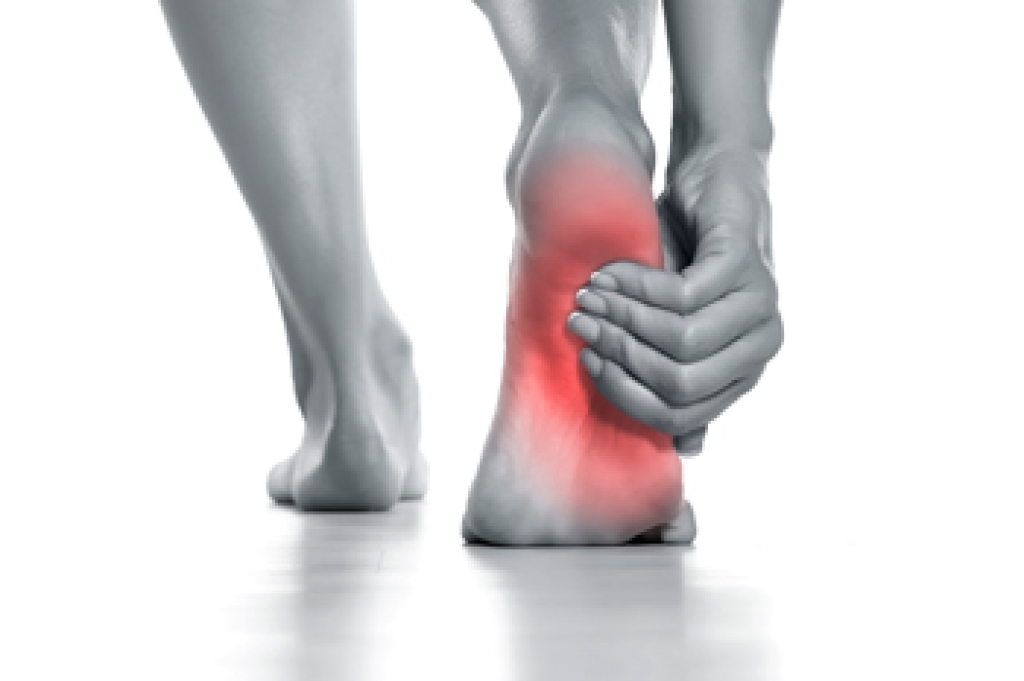
Foot pain becomes more common with age as the structures supporting the feet gradually change. Foot pain is discomfort affecting the heel, arch, or joints. Plantar fasciitis is a common cause of heel pain that occurs when the plantar fascia becomes irritated. Symptoms may include aching, tenderness, and pain during movement. Plantar fasciitis often causes sharp pain during the first steps after waking, or after prolonged rest.
Aging can also contribute to foot pain through changes in muscle strength and flexibility. Years of standing, walking, or participation in sporting activities can increase stress on the feet. Risk factors for plantar fasciitis include increased activity, prolonged standing, and high arches. Age may also increase risk because tissues can become less flexible and resilient. Changes in gait may place additional pressure on the heel and arch.
Arthritis is another source of foot pain in adults. It involves inflammation or degeneration within a joint and can affect the toes, midfoot, or other joints. Symptoms may include joint pain, swelling, and difficulty walking. Osteoarthritis becomes more common with age as joint cartilage wears down. Risk factors include previous foot or ankle injuries, repetitive stress, and structural abnormalities. Rheumatoid arthritis can also affect the feet and cause persistent inflammation, swelling, and joint changes.
Because several conditions can cause similar symptoms, identifying the source of foot pain is important. A chiropodist can evaluate foot structure, walking mechanics, and footwear to help determine the cause. Treatment may include wearing supportive footwear, custom orthotics, or other appropriate care. Early evaluation can help reduce discomfort, protect mobility, and support a safe return to everyday activities. If you have foot pain, it is suggested that you consult a chiropodist to explore effective relief and treatment solutions.
Foot pain is a common problem treated by chiropodists. If you have foot pain, please consult with Emily Yu, B.Sc from Uptown Foot Care Clinic. Our specialist can help you maintain the health of your lower limbs and your mobility.
When you are experiencing foot pain, it’s important to note the type of pain and its location, as this can help determine a diagnosis.
Pain in the top of the foot may be caused by:
Pain in the bottom of the foot may be caused by:
Pain on the side of the foot may be caused by:
Heel pain may be caused by:
Pain in the toes may be caused by:
These and many more conditions can be treated by a chiropodist. If you have any questions please feel free to contact our office located in Toronto, ON .
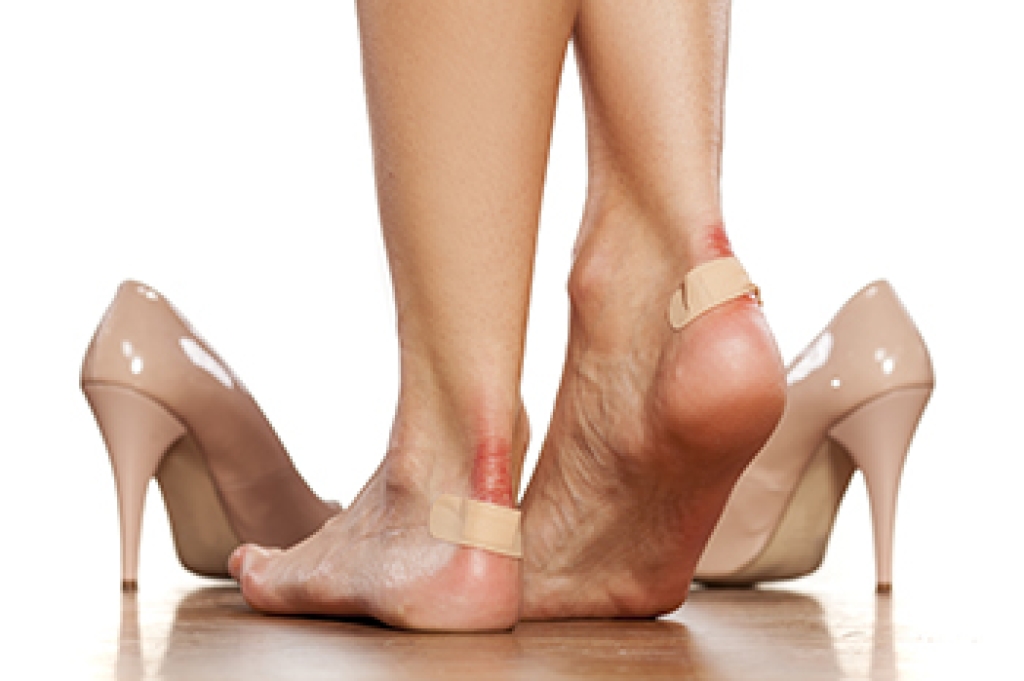
Blisters are raised pockets of fluid that form when the upper layers of skin become damaged. On the feet, repeated rubbing is a frequent cause. Wearing shoes that are too tight can press against the toes, while loose shoes can allow the heel to slide. Heat and moisture can soften the skin and increase friction. Blisters can also result from burns, allergic reactions, or certain skin conditions. Most contain clear fluid, although a blood blister can develop when a small blood vessel breaks beneath the skin. Pain, redness, and tenderness can make standing or walking uncomfortable.
Friction blisters tend to develop on the heels, toes, or balls of the feet. A blister that contains cloudy fluid, gives off an odor, or has spreading redness around it can signal an infection and require immediate attention. Patients with diabetes, poor circulation, or reduced feeling in their feet face a greater risk of such complications. They may not notice irritation before the skin becomes seriously damaged. Recurring blisters can also point to a shoe-fit problem, an unusual walking pattern, or excess pressure on one part of the foot.
A chiropodist can examine the blister and determine what caused it. Care includes safely cleaning and protecting the affected area. A chiropodist can also drain a large or painful blister under sterile conditions while preserving the skin covering whenever possible. Signs of infection can be identified, and patients at higher risk can receive close follow-up care. To address repeated blistering, the chiropodist can check shoe fit, foot shape, and pressure patterns. Treatment options include professionally fitted padding, custom orthotics, or guidance on better-fitting shoes. These steps can reduce rubbing and help protect vulnerable areas. If you have problematic blisters on your feet, it is suggested that you schedule an appointment with a chiropodist for effective relief and prevention tips.
Blisters can usually be treated at home, however, if you have recurring blisters or experience significant discomfort or pain, please consult with Emily Yu, B.Sc from Uptown Foot Care Clinic. Our specialist will assess your condition and provide you with quality foot and ankle treatment.
What Is a Blister?
A blister is a small pocket of fluid in the upper skin layers and is one of the body’s natural responses to injury or pressure. Blisters can also result from burns, fungal or viral skin infections, and the feet are particularly prone due to ill-fitting footwear and friction. Friction on the skin causes the upper layer of skin to separate from the lower layers. The space that this separation creates then becomes filled with a liquid called serum, which protects the lower layers of skin.
Treatment
If you notice a blister on your foot, you can cover it with a soft bandage or dressing to protect it. Popping the blister is discouraged. Doing so exposes the raw skin underneath it to bacteria and also raises the risk of infection. If a blister pops naturally, let it drain before covering it with a bandage. Blisters usually heal on their own or with home treatment, however, if your blister is recurring, very painful, or appears infected, it is recommended that you see a chiropodist for treatment.
Prevention
You can help to prevent blisters by wearing comfortable, well-fitted shoes. Keep your feet dry by wearing moisture-wicking socks and dust your feet with talcum powder if they tend to get sweaty. If you have areas on your feet that are more susceptible to blisters, you might be able to prevent the blister from forming by covering it with a pad.
If you have any questions please feel free to contact our office located in Toronto, ON .
Connect With Us
