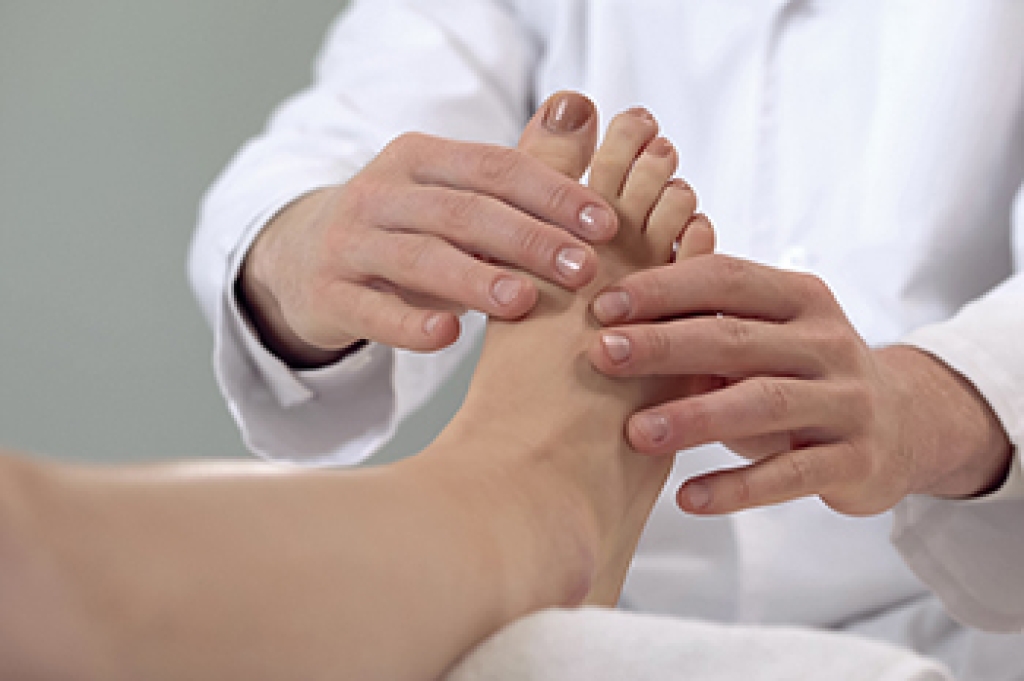
 Peripheral artery disease (PAD) is a medical condition that causes poor circulation in the lower limbs. This is due to a buildup of plaque in the arteries which leads them to narrow and harden, thereby reducing blood flow. Many people with PAD do not have any symptoms, especially in the initial stages of the disease. Over time, symptoms such as muscle cramps, weakness, and fatigue in the legs may develop. These symptoms may intensify particularly while walking or exercising. PAD is diagnosed through a physical examination, medical history, and non-invasive vascular testing. Treatment for this condition focuses on relieving symptoms and reducing the risk for further complications, such as a heart attack or stroke. To learn more about PAD, please consult with a chiropodist near you.
Peripheral artery disease (PAD) is a condition that causes poor circulation in the lower limbs. If you have PAD, please consult with Emily Yu, B.Sc from Uptown Foot Care Clinic. Our specialist can help you maintain the health of your lower limbs and your mobility.
What is peripheral artery disease?
Peripheral artery disease is characterized by reduced blood flow to the lower limbs. This occurs due to a buildup of a fatty substance called plaque in the arteries. The plaque causes the arteries to become narrow and harden, which makes it difficult for blood to get to the lower limbs. Without adequate blood flow, the tissues of the legs, ankles, and feet do not get enough oxygen and nutrients to function properly, which can lead to various symptoms as the condition progresses. Having poor circulation also increases your risk of cardiovascular events, such as heart attacks and strokes.
Symptoms
In its initial stages, PAD is often asymptomatic. If symptoms do arise, they often include:
- Muscle cramps
- Weakness
- Fatigue
- Pain that gets worse with physical activity
- Balance problems
- Difficulty walking
Diagnosis
PAD can be diagnosed through a thorough physical examination, medical history, and vascular testing. There are many simple, non-invasive tests that your chiropodist can use to determine your risk of having PAD. These include the ankle-brachial index (ABI) test and Doppler ultrasounds.
Treatment
Treatments for PAD focus on lifestyle changes and medication management to lessen symptoms and prevent heart attacks and strokes. Your chiropodist may suggest various foot and ankle exercises to increase the strength and flexibility of your feet and ankles, boost circulation, and improve mobility. They may also suggest routine visits to monitor and maintain the health of your feet since poor circulation can lead to a variety of foot and ankle complications.
If you have any questions please feel free to contact our office located in Toronto, ON .
