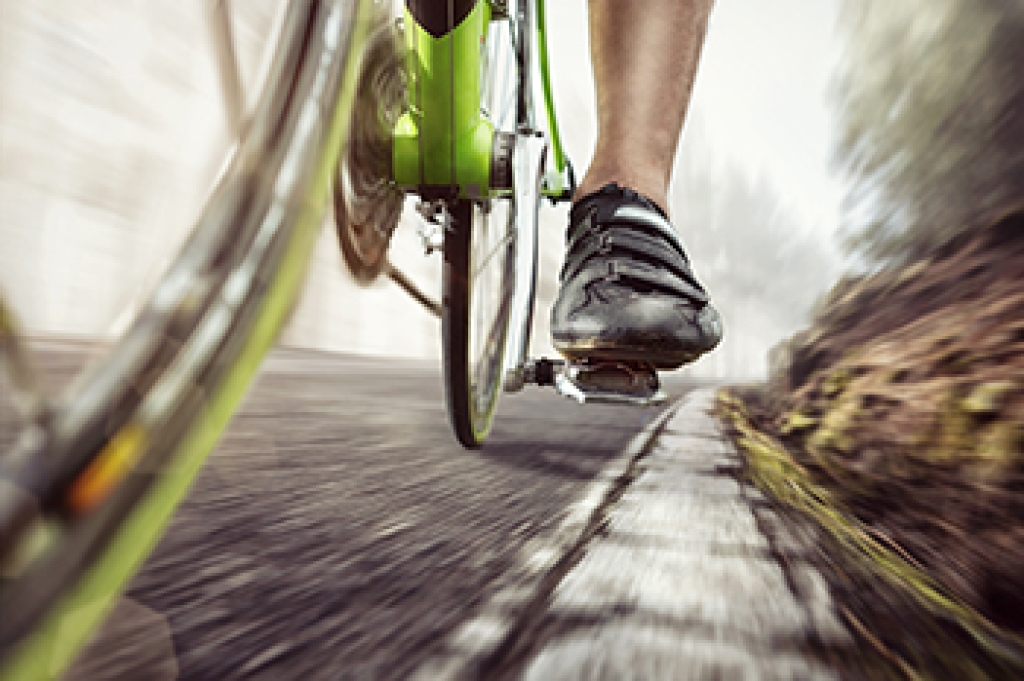
Foot and ankle pain while cycling is a common concern for both recreational and competitive riders. The foot plays a key role in transferring power from the quadriceps and glutes through the knees and down to the pedal. When pressure is not evenly distributed, stress can build on the metatarsal heads and surrounding nerves, leading to discomfort. Symptoms include numbness, a burning sensation, and sore soles during or after cycling. Some riders may notice tingling in the toes or aching in the ankle joint. These symptoms can reduce performance and make longer rides difficult. Causes include improper cleat placement, tight shoes, and repetitive pressure on the forefoot. Risk factors include long cycling sessions, poor bike fit, and lack of support in footwear. Excess pressure on the front of the foot can compress nerves and restrict circulation. Prevention focuses on improving pressure distribution and foot support. Using cleats with a large platform and wearing stiff-soled shoes can help spread force across the foot. Adjusting bike fit and taking breaks can also reduce strain. If you have developed foot or ankle pain from cycling, it is suggested that you consult a chiropodist who can offer effective relief, treatment, and prevention tips.
Injuries to the foot and ankle are very common among athletes. If you have experienced an injury, please consult with Emily Yu, B.Sc from Uptown Foot Care Clinic. Our specialist will assess your condition and provide you with quality foot and ankle treatment.
Common Injuries Among Athletes:
- Achilles tendon injuries
- Ankle strains or sprains
- Plantar fasciitis
- Fractures
- Turf toe
- Joint dislocations
- Sever’s disease
- Morton’s neuroma
Symptoms
Symptoms will depend on the cause and severity of the injury. Common symptoms for a foot or ankle injury include pain, swelling, tenderness, bruising, a reduced range of motion, and difficulty bearing weight or walking on the affected foot or ankle.
Diagnosis
Sports injuries are typically diagnosed after carefully examining the affected foot or ankle. This includes moving the injured area to test its range of motion. Medical history will need to be provided, as well as detailed information about how the injury occurred. Imaging studies, such as X-rays or MRIs, may be used to confirm or rule out certain diagnoses.
Treatment
Just like symptoms, treatment will depend on the type of injury and its severity. Initial treatment for many sports injuries is aimed at controlling inflammation and promoting the healing response. The acronym R.I.C.E is a helpful guide to implement for most acute injuries. This method involves resting, icing, compressing, and elevating the affected foot or ankle. In addition, anti-inflammatory medications may be administered and orthotic devices may be prescribed. For more severe injuries, surgery may be required. Lastly, rehabilitation or physical therapy may be needed to gain full functionality in the afflicted area.
If you have any questions please feel free to contact our office located in Toronto, ON .
